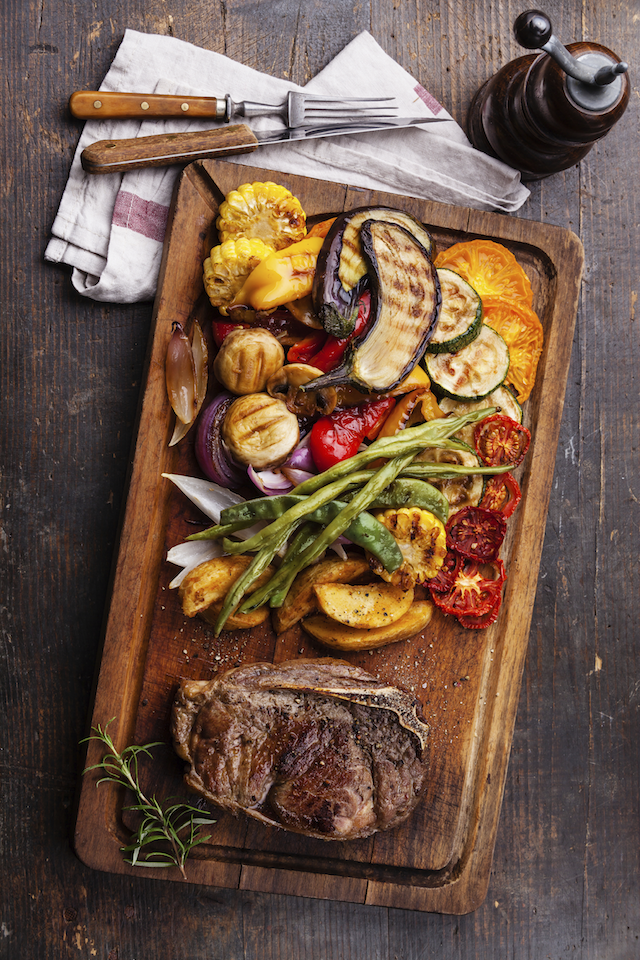
The Paleo dietary plan, which is short for the Paleolithic Diet, is also known as the Caveman Diet because of its assertion that humans should return to eating foods that humans ate thousands of years ago, during the Paleolithic era. No, you don’t need to start sourcing dinosaur meat and pterodactyl eggs, but rather focus on meats, nuts and berries while totally excluding processed foods.
The Paleo Diet philosophy holds that because humans developed agriculture only about 10,000 years ago, which is a short while considering we’ve been around 200,00 years, we have not been able to evolve and adapt our biological systems to eat as much dairy, grains, legumes, salt, sugar, and processed foods as we eat today.
Many believe that modern health diseases like obesity, type 2 diabetes, autoimmune disorders, and cardiovascular disease were exacerbated with the spread of industrially processed food. By returning to the foods our bodies were built to eat, the Paleo diet is working to reverse these adverse effects.
Paleo Diet calls for unprocessed, nutrient-dense, nourishing foods. In the grocery store, look for natural grass-fed meats and eggs, wild-caught seafood, and fresh locally grown vegetables.
Avoid processed food at all costs. Try to eliminate sugar, sodas, packaged foods and most juices from your diet. A good rule of thumb to help remember is, if it comes in a box, don’t eat it. Think, food which a caveman also had access.
Eat fruits in moderation, but keep in mind that paleolithic humans could only eat the fruits that were in season, and thus available to them.
Eat when you feel hungry, but lose the need to eat 3 square meals a day and replace them with many small meals throughout the day.
Try to lower external stress as much as possible and and aim for at least 8 hours of sleep each night, waking up naturally without an alarm clock
Regular exercise is good, but be sure not to overwork yourself. Your body will need time to recover so keep the sessions short, but intense.
It’s important to get enough sunlight, so if that’s not possible for you, then consider supplementing your diet with vitamins and probiotics.
When on the Paleo diet, try not to count calories or lessen your food intake, instead focus on eating more nutrient-rich foods
Try to eliminate dairy products from your diet, with the exception of butter or heavy cream. However, if that’s not possible for your diet, try drinking raw, full-fat or fermented dairy.
Be sure not to over consume carbohydrates or saturated fats like butter or duck fat.
Clean eating, which means removing additives, preservatives, chemicals and other processed foods from your diet leads to a cleaner stomach and a healthier digestion.
The consumption of fruits, vegetables, oils, nuts, and seeds provides you with nutrients that help with treating inflammation.
Increasing your consumption of red meat will also increase your iron intake.
Due to the increased intake of protein and fat, you will feel fuller after your meals.
A lower variety of “acceptable” foods may contribute to increased weight loss.
Vital nutrients such as omega 3 fatty acids found in Salmon, are beneficial for eye, heart and brain health.
Eating more vegetables leads to a more nutrient and mineral rich diet.
Corrections or improvements? Email us at
content@sidechef.com